


 Español
 Français
 Deutsch
 русский
 عربى

-
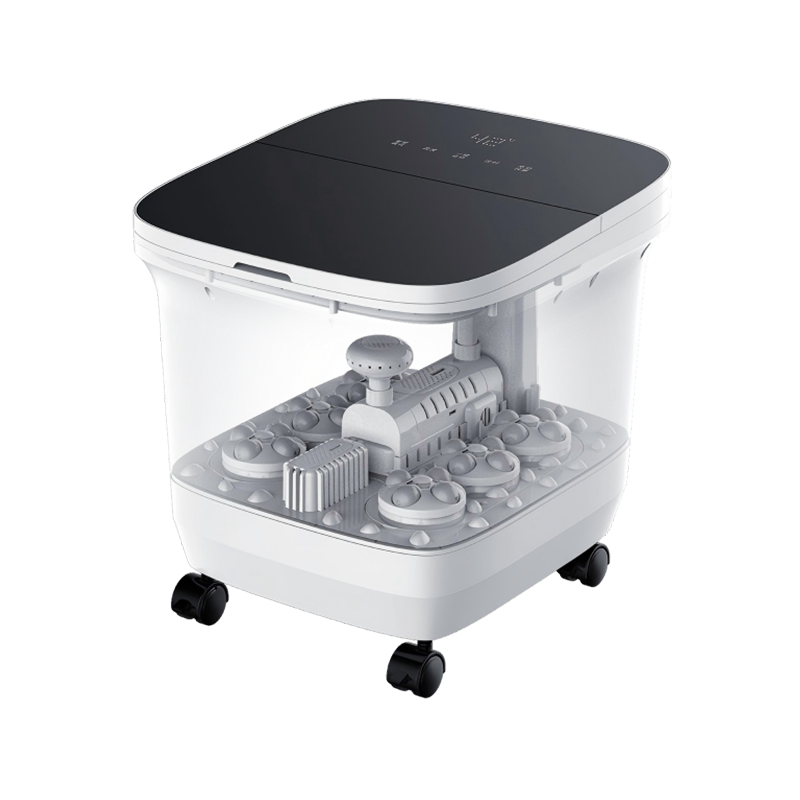 Touchscreen Large-Screen Water Circulation Foot Spa Bath Massager(GY-606C)
-
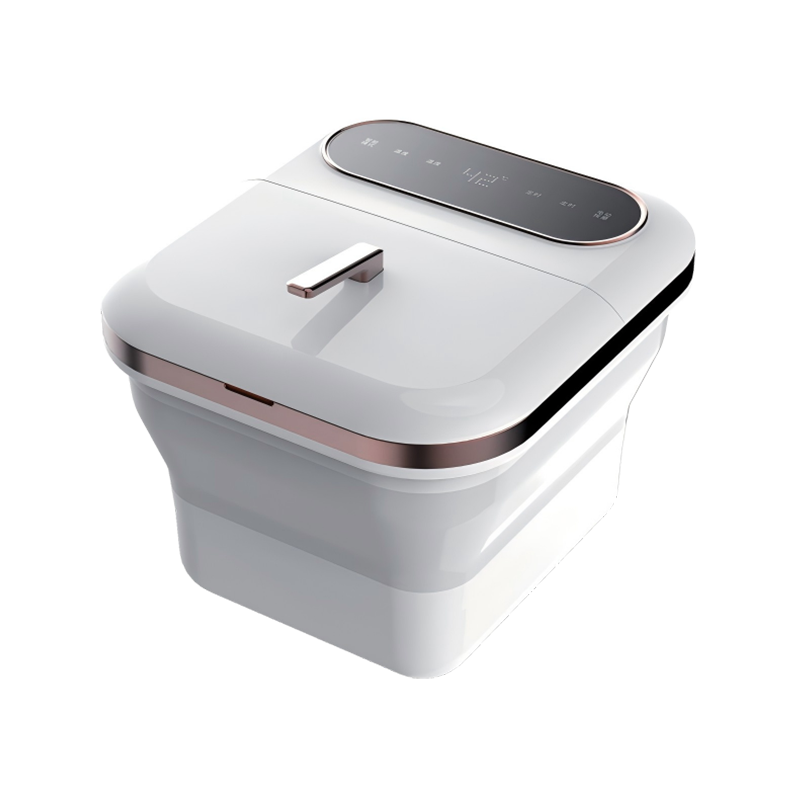 Minimalist Touch Water Circulation Foot Spa Bath Massager (GY-703D)
-
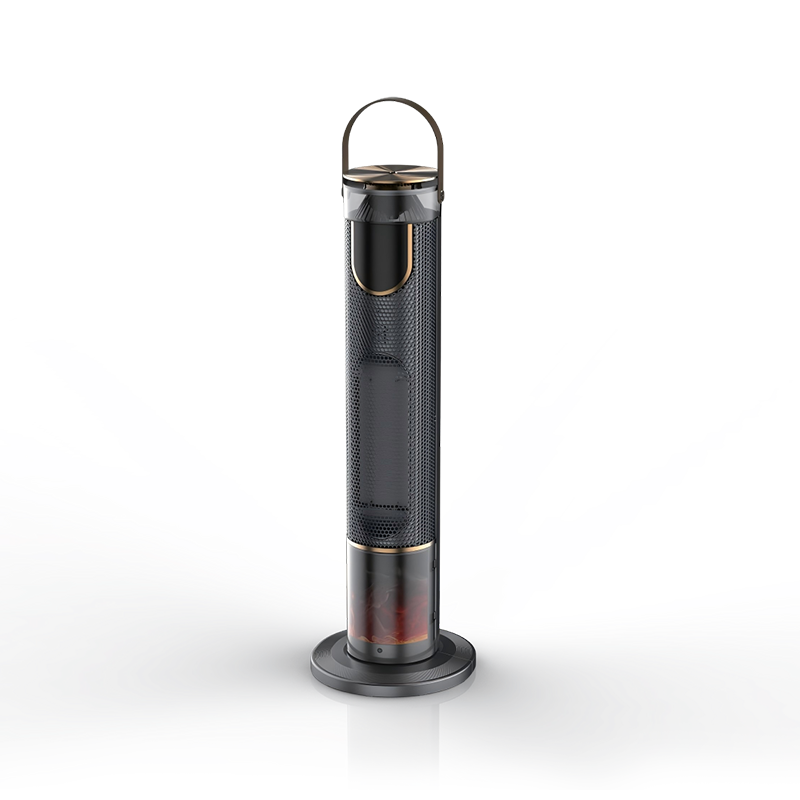 Intelligent Voice-Activated Atomizing Computer-Controlled Tower Heater(GY-QNS7701)
-
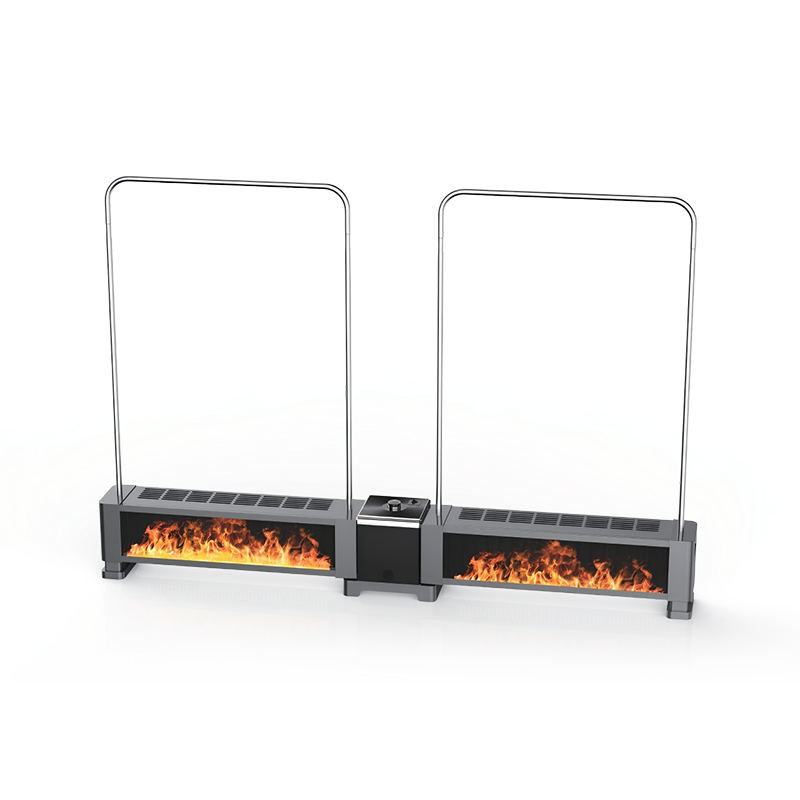
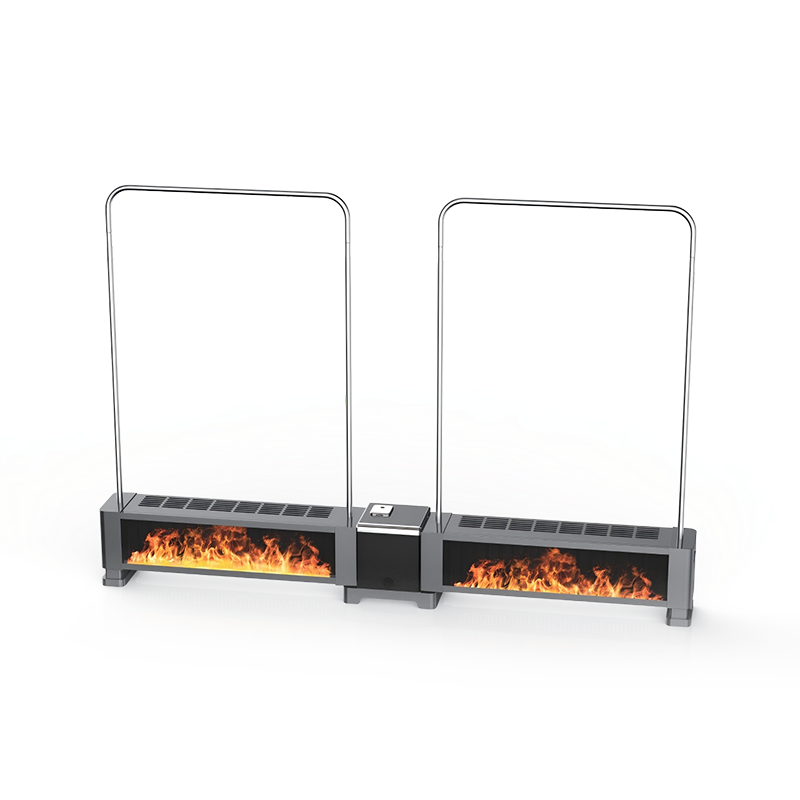
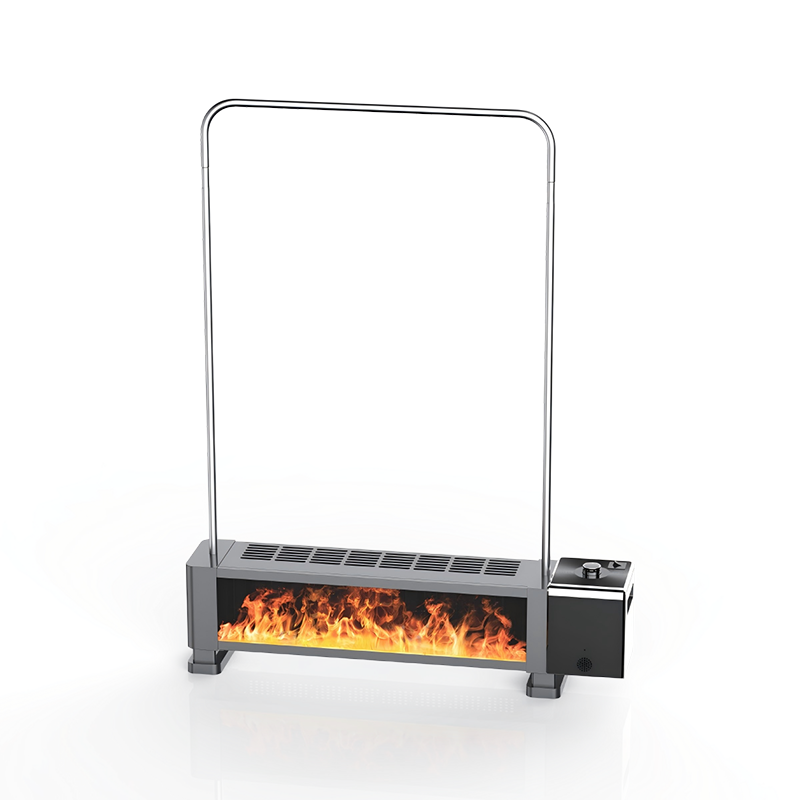
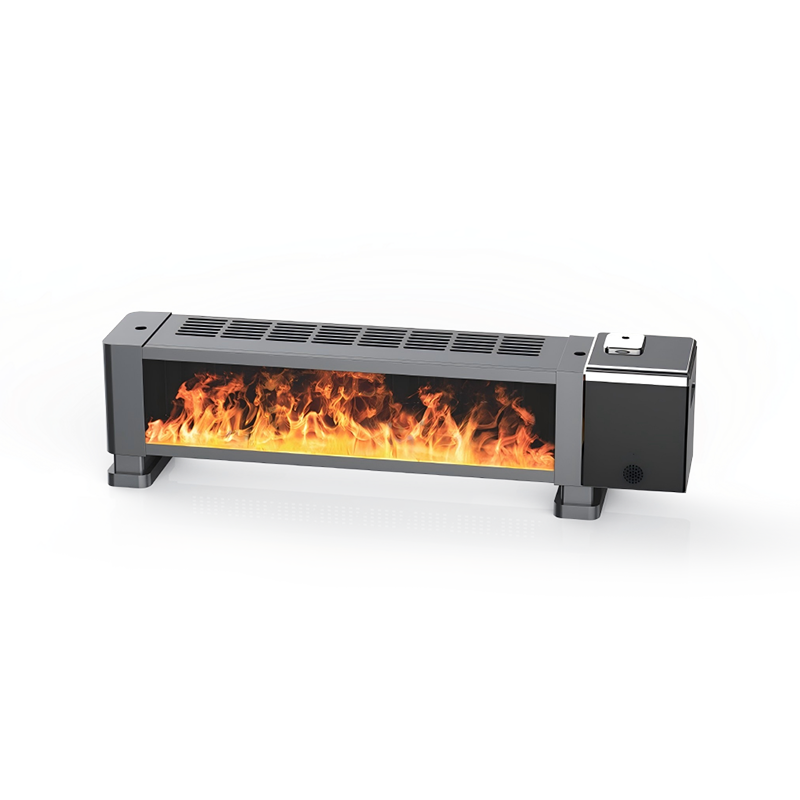
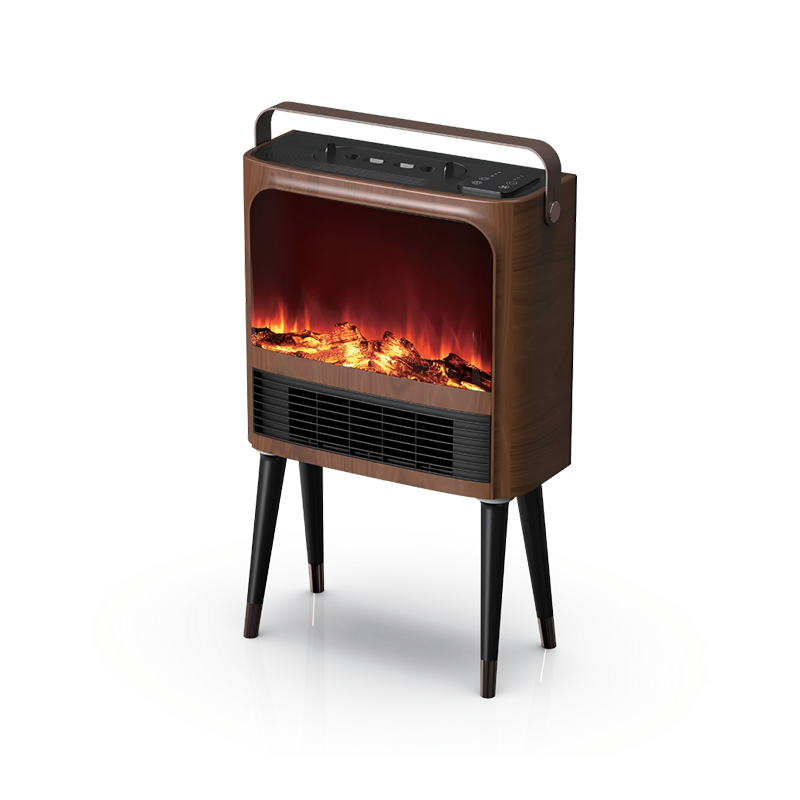 Intelligent Voice-Controlled Atomizing Electric Fireplace Heater(GY-BLS2201)
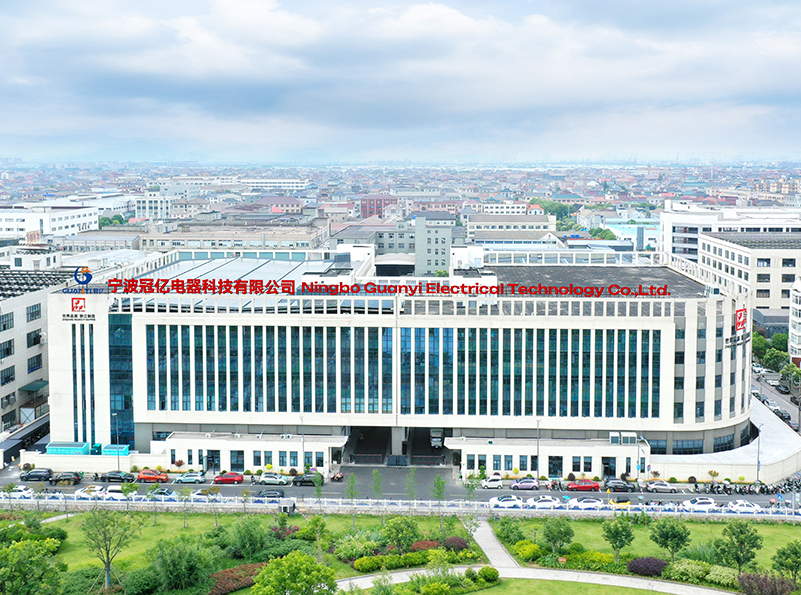
Guanyi operates an 18,000 m² production and warehousing facility with 250 employees, including over 20 technical professionals. Equipped with 10 advanced assembly lines, 22 large-tonnage injection molding machines, and comprehensive testing equipment, the company achieves a daily production capacity of 15,000 units, finished goods storage capacity of 300,000 units, and annual output exceeding 2 million units.
Since its establishment, Guanyi has remained committed to technological innovation. Through continuous R&D and market-driven product development, the company has created dozens of foot bath models and obtained more than 15 patents, including invention and utility model patents. With advanced products and a strict quality management system, Guanyi has established long-term OEM/ODM partnerships with multiple brands and earned strong recognition from customers worldwide.
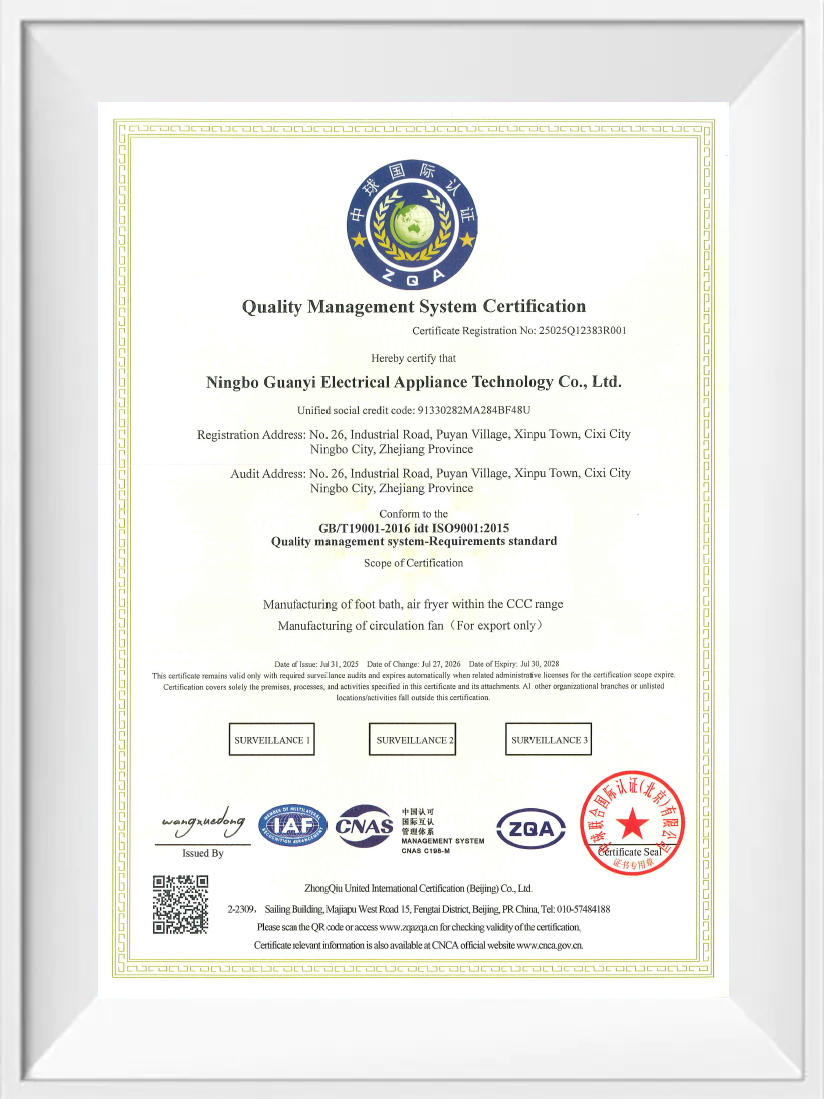
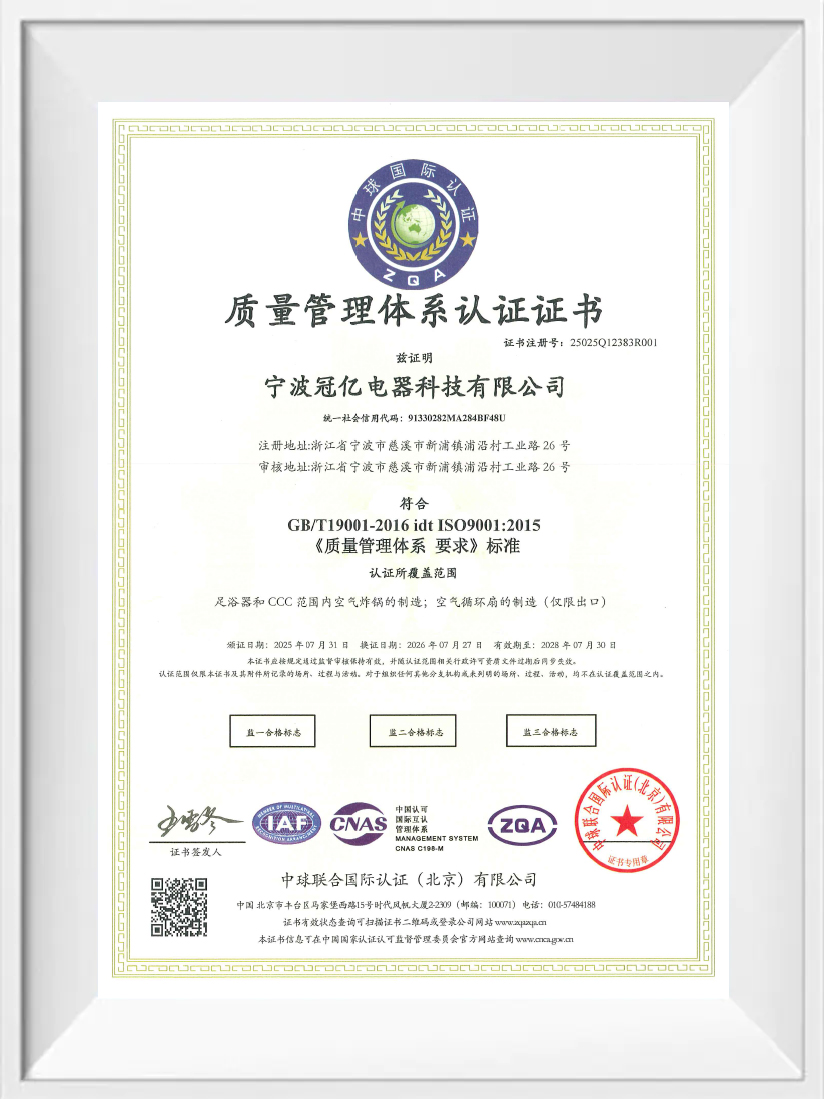
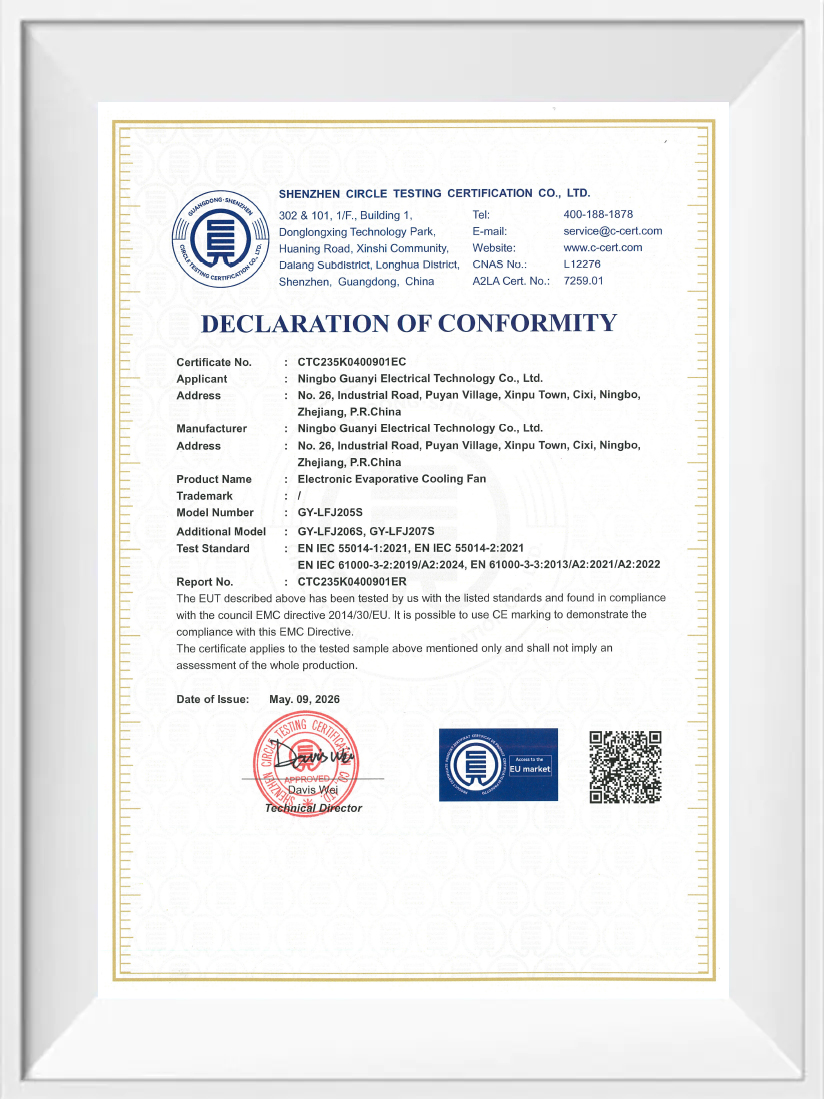
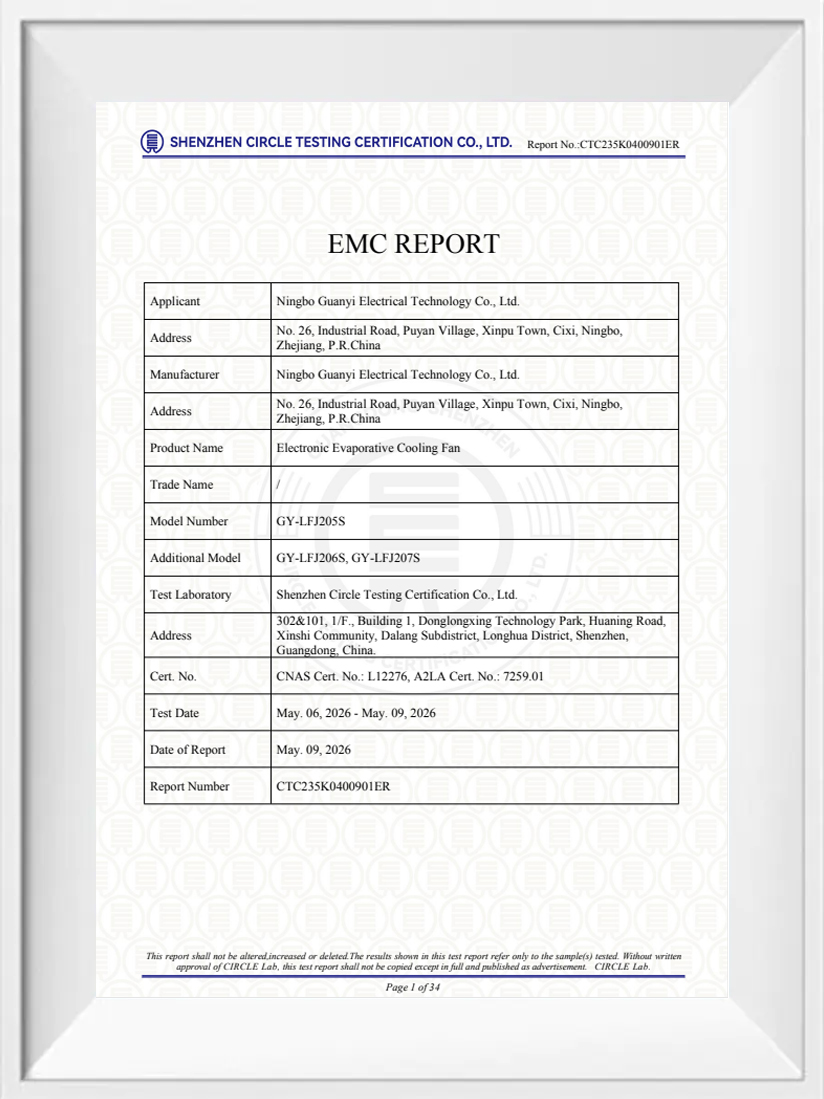
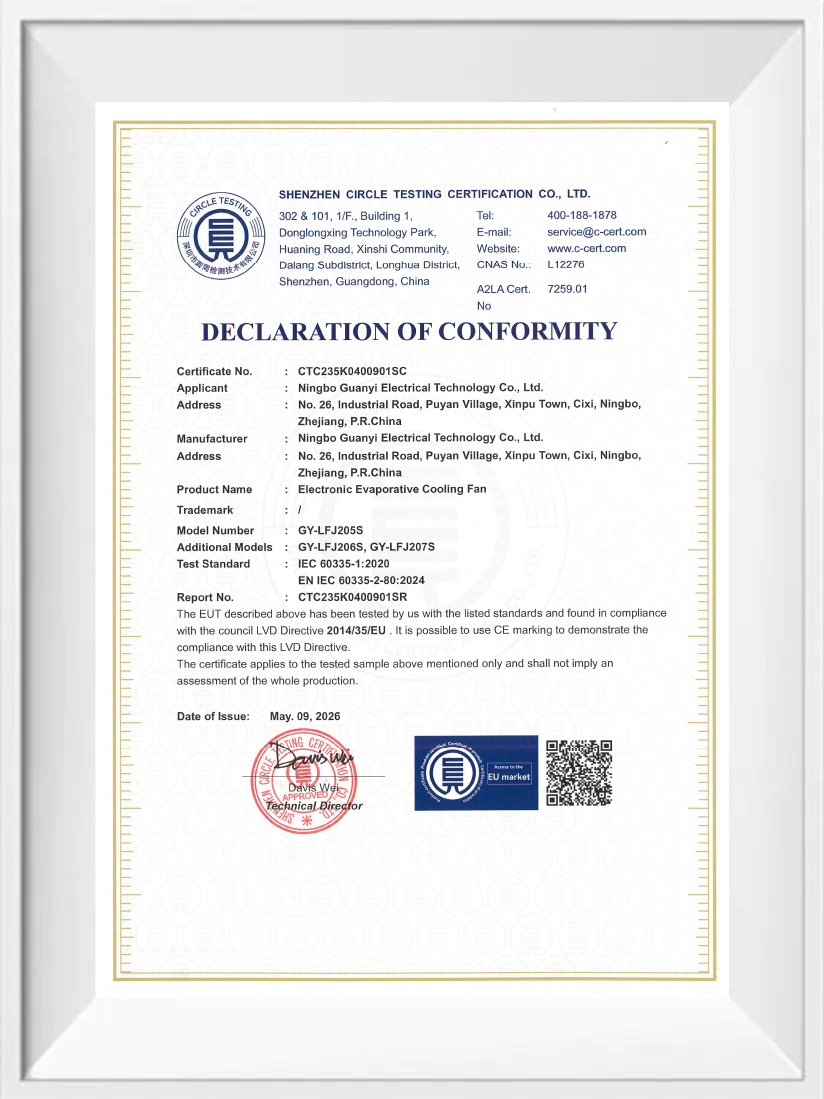
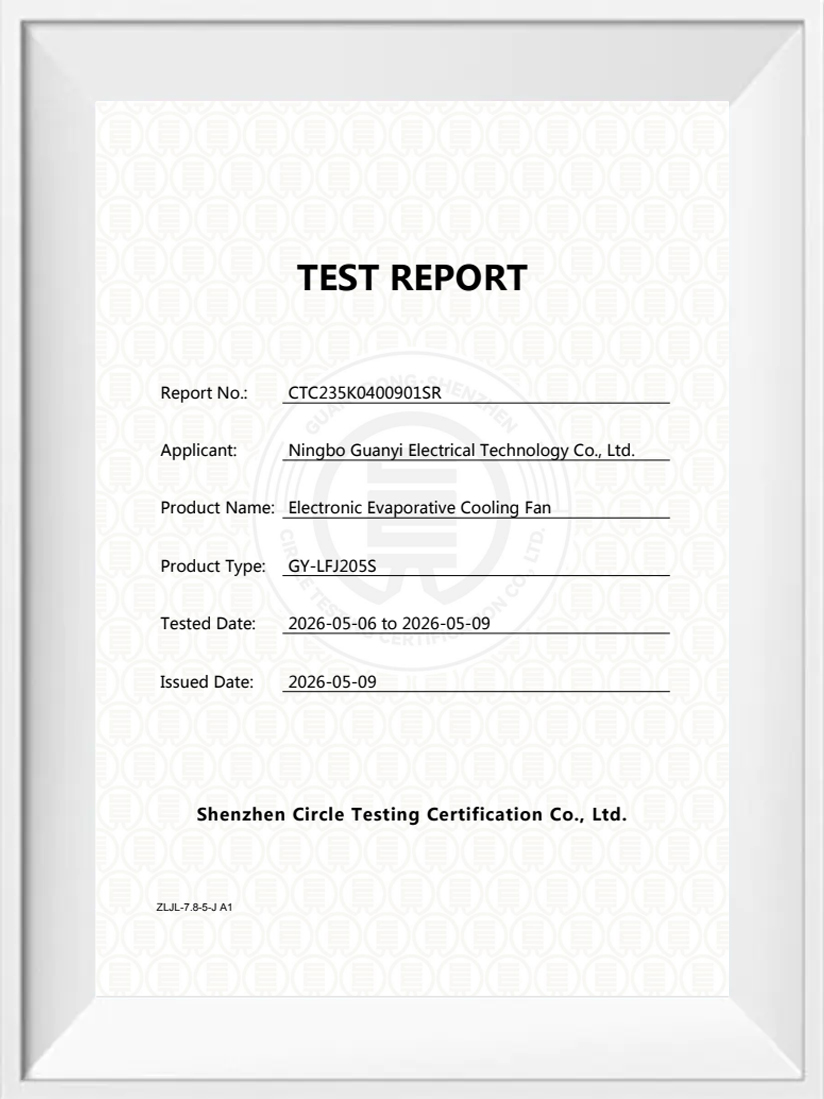
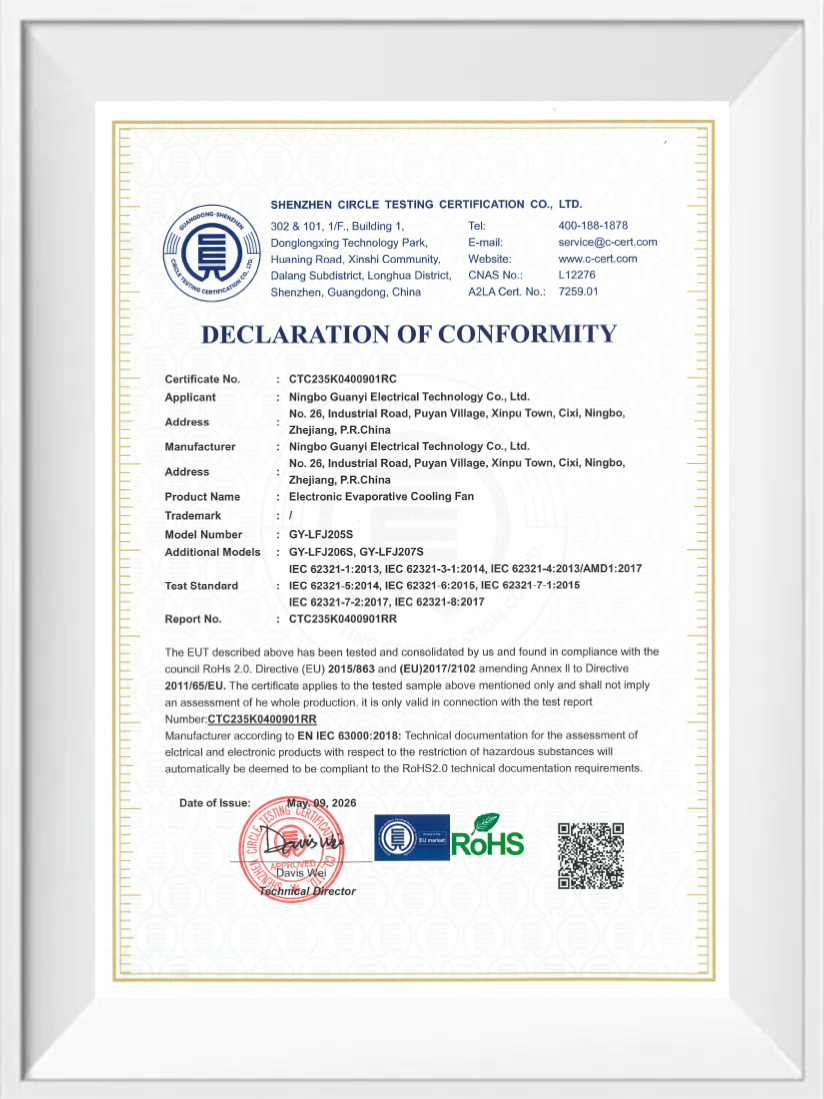

Ningbo Guanyi Electrical Technology Co.,Ltd. is a Clothes-Drying Tower Heater manufacturer based in Xinpu Town, Cixi City, Zhejiang, inside the Ningbo home-appliance manufacturing cluster. We build this model family for OEM and private-label programs: a PTC ceramic heating column combined with an integrated garment rack, so one floor-standing unit warms the room and drives warm air through hung clothes at the same time.
The category contains four production models, split across two control platforms and two rack formats. Mechanical knob versions cover value and entry programs; intelligent voice-controlled atomizing versions add humidification and hands-free operation for premium retail. Both sit inside our wider tower heater range, alongside computer-controlled, mechanical and electric fireplace formats.
What We Manufacture in This Category
Every model uses the same heating architecture — a PTC ceramic element under closed-loop temperature control — and differs in rack geometry, control interface and whether atomized humidification is fitted. The drying rack is a structural part of the tower, not a clip-on accessory: it is designed into the unit's centre of gravity, the fold mechanism and the load rating, and it ships assembled.
| Model | Control platform | Drying rack | Humidification | Typical program fit |
|---|---|---|---|---|
| GY-TJJ8801 Mechanical Clothes-Drying Tower Heater | Rotary knob, thermostat | Foldable rack | — | Entry and value retail, markets preferring simple appliances |
| GY-TJS8801 Intelligent Voice-Controlled Atomizing Clothes-Drying Tower Heater | Voice module, electronic control | Foldable rack | Atomizing humidifier | Mid-to-premium retail, e-commerce bundles |
| GY-TJJ8803 Mechanical Double Clothes Drying Rack Tower Heater | Rotary knob, thermostat | Double-pole rack | — | Larger wash loads, family use, guest-room programs |
| GY-TJS8803 Intelligent Voice-Controlled Atomizing Double Clothes-Drying Tower Heater | Voice module, electronic control | Double-pole rack | Atomizing humidifier | Premium private label, flagship listings |
Mechanical platform
The mechanical models, GY-TJJ8801 and GY-TJJ8803, use a rotary knob for heat selection and keep the electronics deliberately minimal. That lowers BOM cost and reduces field failure points, and it suits channels where consumers expect an appliance to work without a display or a spoken command.
Intelligent voice-controlled atomizing platform
The intelligent models, GY-TJS8801 and GY-TJS8803, add a voice-control module and an atomizing humidifier. Voice operation keeps wet hands away from the panel, and humidification counteracts the drying effect of sustained heating in closed rooms. Command sets, wake word and interface language are frozen during configuration so the firmware matches the destination market rather than a generic template.
Application Fit: Where a Drying Tower Earns Its Floor Space
The product earns its place where a heater is needed anyway and laundry has no dedicated drying route. Warm-season humidity, winter rain, apartments without a tumble dryer and rooms with no balcony all create the same problem: garments that will not dry indoors at ambient temperature.
- Apartments and small homes without a laundry room or dryer
- Hotels, serviced apartments and guesthouses drying shirts and small items
- Dormitories, staff accommodation and rental housing
- Utility rooms and bathroom-adjacent zones, where the enclosure and wiring approach must match the installation zone
- Retail programs where combined heating and drying justifies a clear price step
How the Drying Airflow Is Engineered
Air enters at the base, passes the PTC ceramic element and leaves through the upper grille across the rack zone. The rack height and the discharge gap are set together so the warm stream crosses the hanging garments instead of escaping above them. The tower heater platform carries tip-over protection and overheat protection, and the thermostat and thermal cut-out are selected for the element rating rather than a shared generic part.
Drying performance depends on three variables: air temperature, airflow across the fabric and the moisture load in the room. We ask for the target garment weight per cycle and the room volume so the proposal matches real use instead of a nominal wattage figure.
- Even rack loading keeps the tower stable and the airflow symmetrical
- Spin-dried or drip-dried garments dry faster and reduce water dripping onto the heater
- Room ventilation governs how quickly moisture leaves the space
- Delicate fabrics sit on the outer rack positions where the air is cooler
Critical Specifications Fixed Before Tooling
The specification sheet for each program is agreed before molds and firmware are committed. These are the values we lock with the customer:
- Rated voltage, frequency and plug standard for the destination market
- Heating element type and rated power; thermostat control band
- Safety devices: tip-over switch, overheat protection, thermal cut-out
- Rack tube diameter, joint construction, rated hanging load and fold-cycle life
- Enclosure material, flame-retardant grade and surface finish
- Cord length, plug type and strain-relief design
- Control interface, display, voice language and command list (intelligent models)
- Atomizer tank volume, material and fill access (atomizing models)
- Retail carton, master carton quantity, drop and stacking requirements
Controls, Voice Modules and Program Integration
Control electronics are specified per program: knob and mechanical thermostat for the value models, or an electronic board with voice module for the intelligent models. Microphone and speaker placement is confirmed on the structural sample, because grille geometry and airflow noise both affect recognition in a running unit.
- Voice command list and response prompts frozen at sample approval
- Interface language and packaging language matched to the sales region
- Creepage, clearance and earthing layout set by the target certification route
- Indicator and display behaviour defined so the panel reads correctly in retail photography
Materials, Tooling and In-House Molding
Our factory in China runs 22 high-tonnage injection molding machines and 10 assembly lines, which keeps enclosure tooling, color matching and rack components under one roof. Housing grades are selected for the flame-retardant class the destination standard requires; rack tubes are coated for corrosion resistance in humid rooms. Color, gloss level, silk-screen and laser marking are matched to the customer's brand assets, and packaging artwork is produced alongside the tooling rather than after it.
Quality Assurance, Compliance and Acceptance
Production follows a multi-stage control system from incoming components to packed cartons. Every unit runs a function test, and electrical safety tests are applied according to the build class. Type testing covers heating behaviour, tip-over response and overheat protection on the approved sample.
- Approved golden sample retained as the reference for appearance and function
- Pre-production sample sign-off before mass production release
- Pre-shipment inspection with carton drop and stacking checks
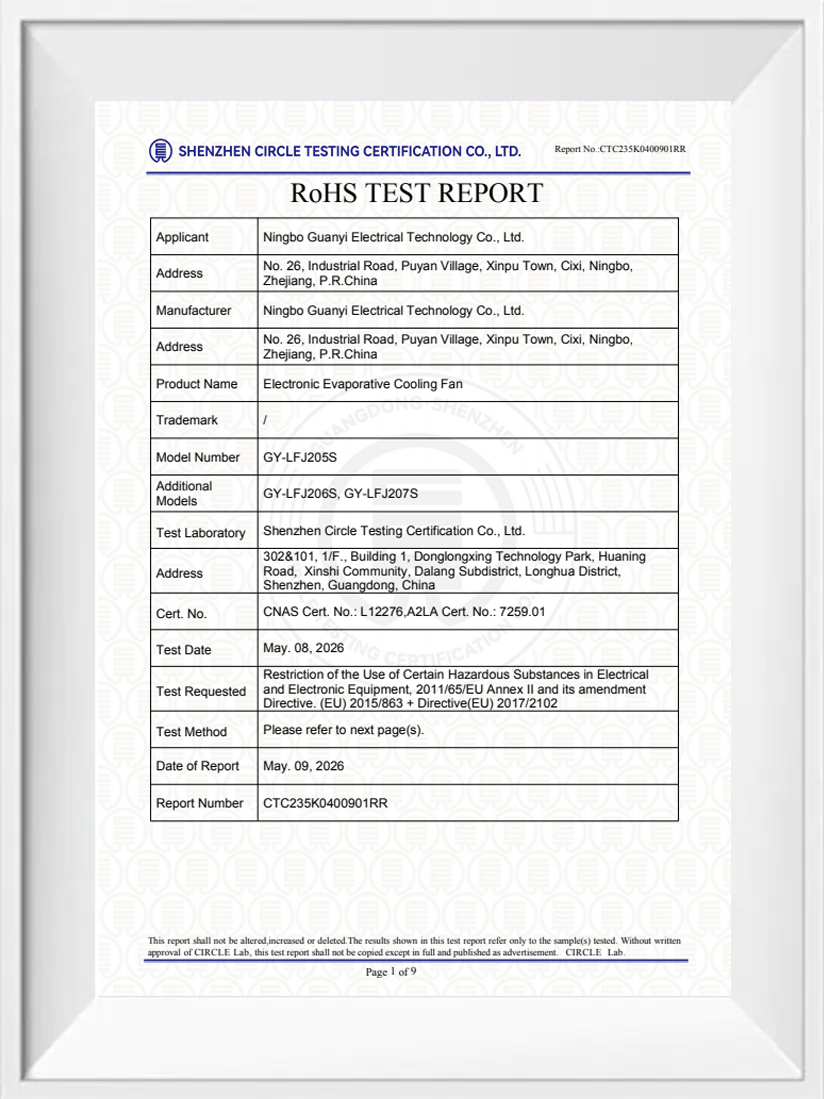
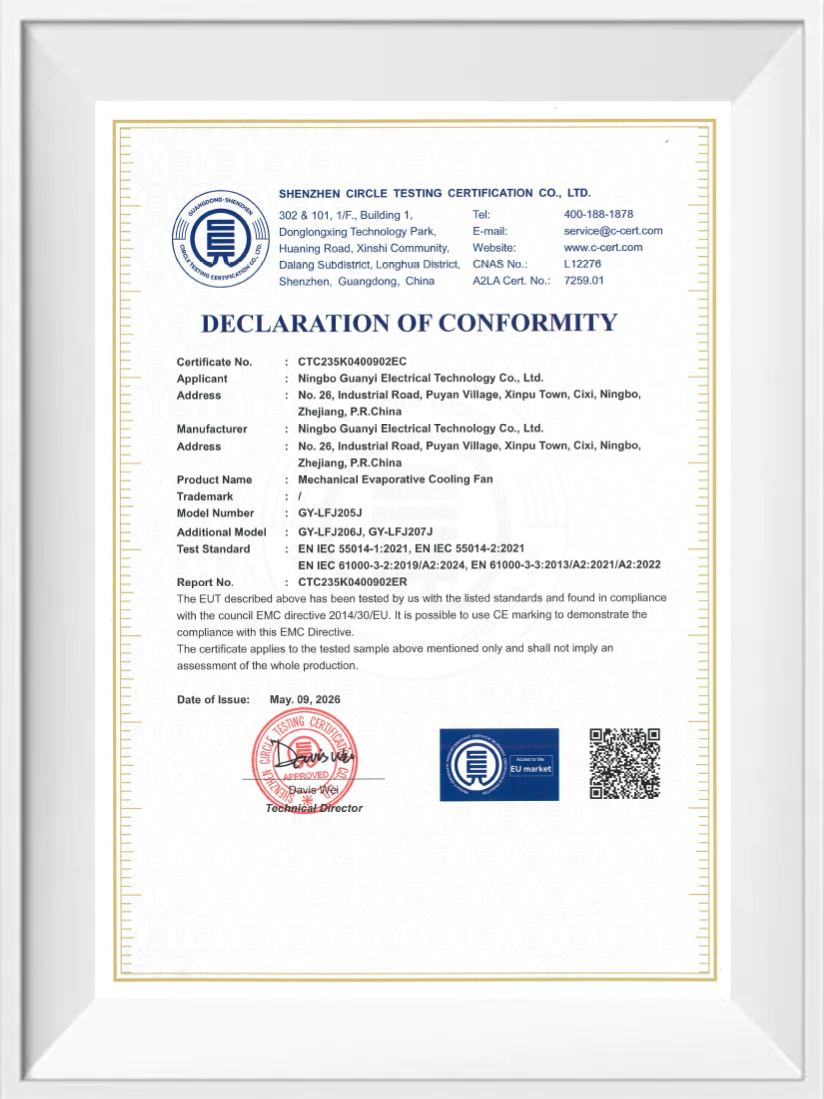
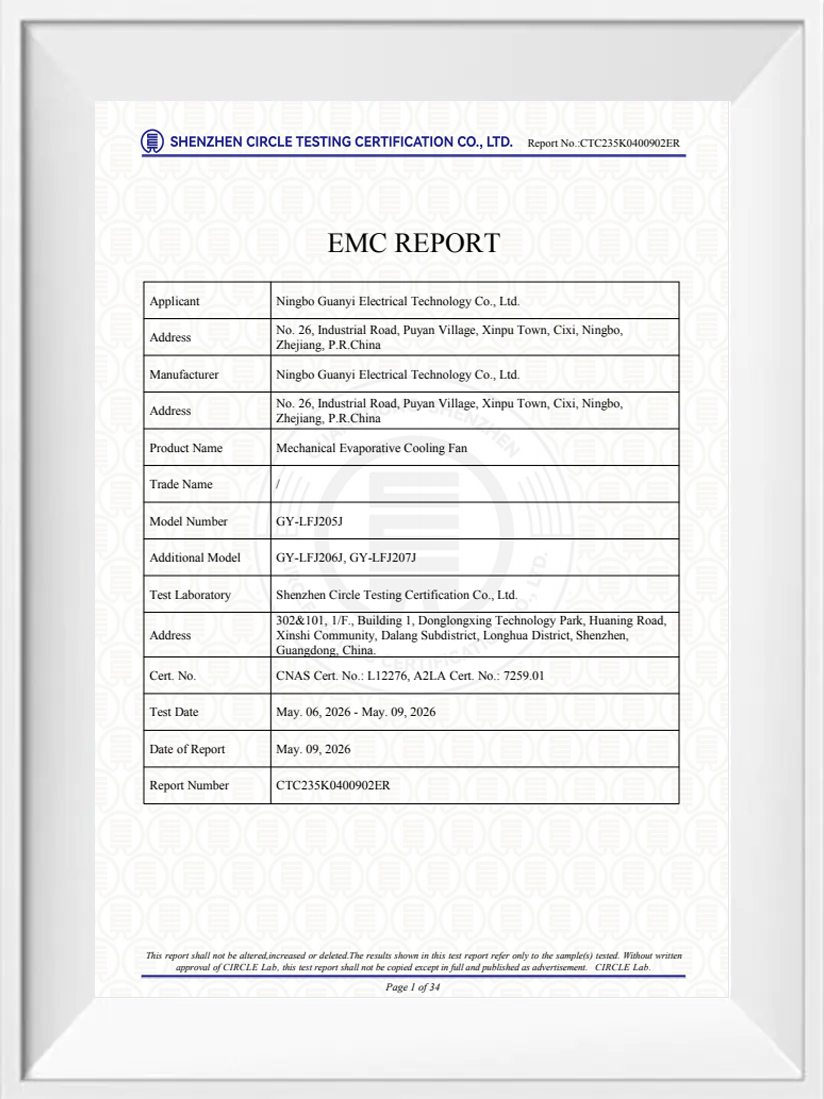
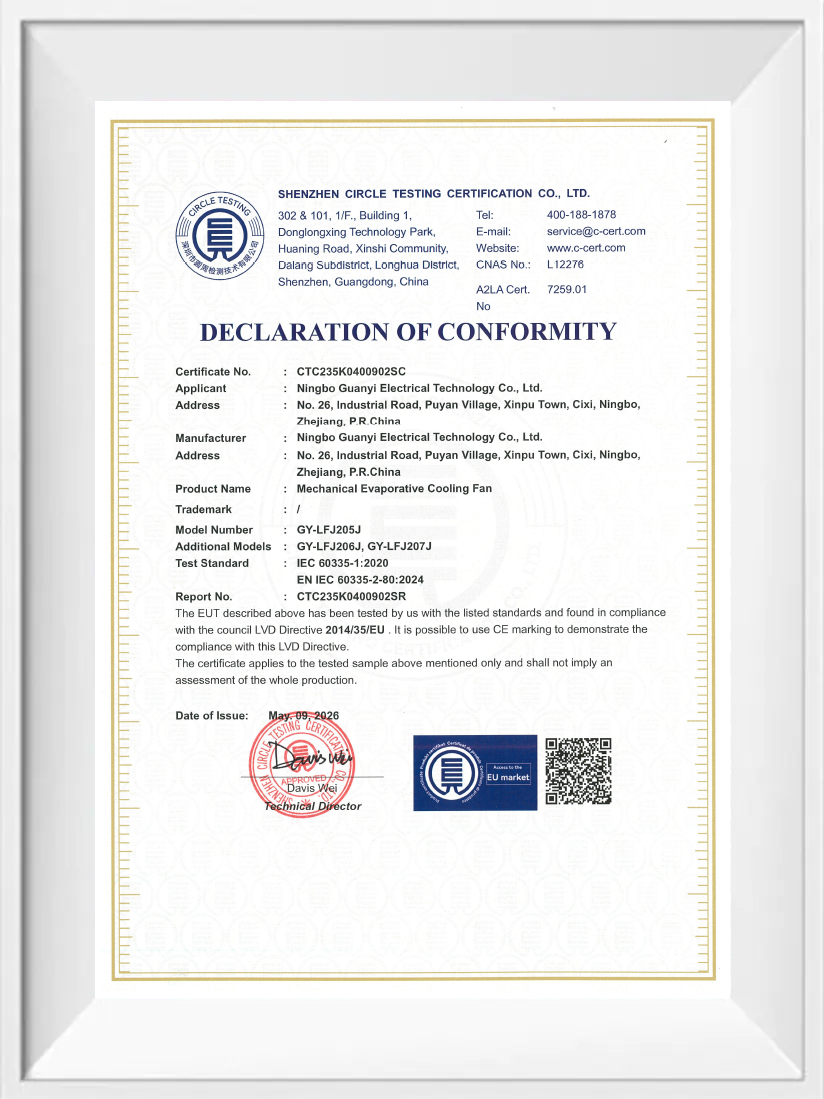
- Certification documentation for CCC, CE, RoHS and BSCI held for the relevant programs
Capacity and OEM/ODM Program Support
The Cixi base covers 18,000 m² of production and warehousing with 250 employees, including more than 20 technical staff. Daily capacity across the appliance lines reaches 15,000 units, finished-goods storage holds 300,000 units and annual output exceeds 2 million units. Our patent portfolio includes over 15 national patents covering structural and utility designs.
We act as a long-term OEM/ODM partner to more than ten brands, including Konka and Royalstar. For this category that means private-label housings, custom rack configurations, branded manuals and retail packaging, with the same R&D, procurement, production, testing and after-sales workflow applied to each program.
Maintenance, Spare Parts and Documentation
The rear intake grille lifts off for lint removal, which is the main routine service item on any fan-driven heater. Rack hinges are designed without lubrication, and the knob, thermostat, heating module, cord set and rack assembly are supplied as service parts. Each program ships with an operating manual, a specification sheet, an exploded parts diagram and the compliance file for the destination market.
Information We Use to Configure Your Solution
A workable proposal needs the commercial frame as well as the technical one. We prepare the configuration and quotation from the following inputs:
- Destination market, certification route and required marking
- Voltage, frequency, plug type and cord length
- Preferred control platform and rack format
- Target retail price band, channel and season window
- Order quantity by model and by colorway
- Color, logo, finish and packaging direction
- Voice language and command requirements for intelligent models
- Sample and approval milestones
Frequently Asked Questions
Can the rack hold a full wash load?
The rated hanging load is fixed per model and printed on the specification sheet, taking into account the rack tube diameter and joint design. We recommend spin-dried or drip-dried garments loaded evenly across the poles, because a single heavy item on one side affects both drying speed and tower stability.
What is the practical difference between the mechanical and intelligent models?
The mechanical models use a rotary knob and a simple thermostat, which keeps cost and electronics minimal. The intelligent models add a voice-control module and an atomizing humidifier, giving hands-free operation and moisture balance during long heating cycles. Both use the same PTC heating architecture.
Can the voice control be supplied in a specific language?
Yes. The voice module is programmed per program, and the command list, prompt wording and interface language are agreed at the configuration stage and frozen at sample approval, so the unit speaks the language of the market it ships to.
Do you supply private-label versions with our own branding?
We do. Housing color, logo application, retail carton, manual and rating label are produced to the customer's brand assets, and rack configuration can be changed between the foldable and double-pole formats within the same program.
What do you need to quote a clothes-drying tower heater program?
Send the destination market, voltage and plug standard, preferred model and rack format, target quantity per color, packaging direction and required certification route. With those inputs we return a configured proposal covering model, control platform, accessories, packaging scope and documentation.
- Email: [email protected]
- Whatsapp: +86 18969173008
- No.26 Industrial Road, Puyan Village, Xinpu Town, Cixi City, Zhejiang Province, P.R.China