Home / News / Industry News / Small Appliance Guide: Home Comfort & Electric Appliances For Home

Industry News

Small Appliance Guide: Home Comfort & Electric Appliances For Home


Whether you’re building your own brand or expanding your product line, we offer reliable manufacturing, flexible customization, and professional support.

Content

Small Appliance Programs Work Better When They Start From Daily Use, Not From a Catalog

A buyer opens a supplier catalog with three hundred items, picks twenty that look attractive, and six months later discovers that only five of them sell steadily. This pattern is common in the Small Appliance category, and it rarely comes from poor products. It comes from choosing items one by one instead of building a range around what households actually do in the evening, in the kitchen, in the bathroom and in the living room.

The short answer: a strong Small Appliance range is planned around routines, backed by a manufacturer that can document its quality process, and kept small enough to manage. If you source Home Appliances for retail, e-commerce, hospitality or private label, those three points matter more than the total number of models on a price sheet. This guide walks through how experienced buyers think about the category, from product scope and safety checkpoints to sample approval and order planning, with a focus on Home Comfort Appliances and Electric Appliances For Home.

The article is written for importers, brand owners, distributors and procurement teams who work with a small appliance manufacturer or a home appliances supplier and want a practical way to compare options. Where numbers appear in charts, they are illustrative planning models, not market statistics, and they are labeled that way so you can adapt them to your own program.

What this means in practice

  • Define the household moment first: a tired evening, a quick breakfast, a weekend clean-up, a gift for a parent.
  • Choose a manufacturer whose product families already match those moments instead of asking for something entirely new.
  • Ask for process evidence, such as test records and sample reports, before you ask for a quotation.
  • Keep the first order focused on a few models so that quality issues, if any, are easy to trace.

Plan the range around household routines, then match it to a manufacturer with documented quality control.

What Counts as Home Appliances in the Small Appliance Segment

In trade conversations, Home Appliances is a wide label. It covers large items such as refrigerators and washing machines, and it also covers the compact devices that sit on a counter, a bathroom floor or a bedside table. The Small Appliance segment refers to the second group: portable, plug-in or rechargeable devices that a single person can carry, store in a cabinet and use without installation.

This distinction matters for sourcing because the manufacturing logic is different. Large appliances depend on heavy tooling, long certification cycles and logistics built around pallets. Small appliances depend on flexible assembly lines, careful component selection, repeatable electrical testing and packaging that survives parcel delivery. A factory that is strong in one is not automatically strong in the other.

Four useful groupings

Most buyers find it easier to think in four groups rather than in a long list of product names:

  • Kitchen devices: air fryers and other compact cooking appliances that save time on weekday meals.
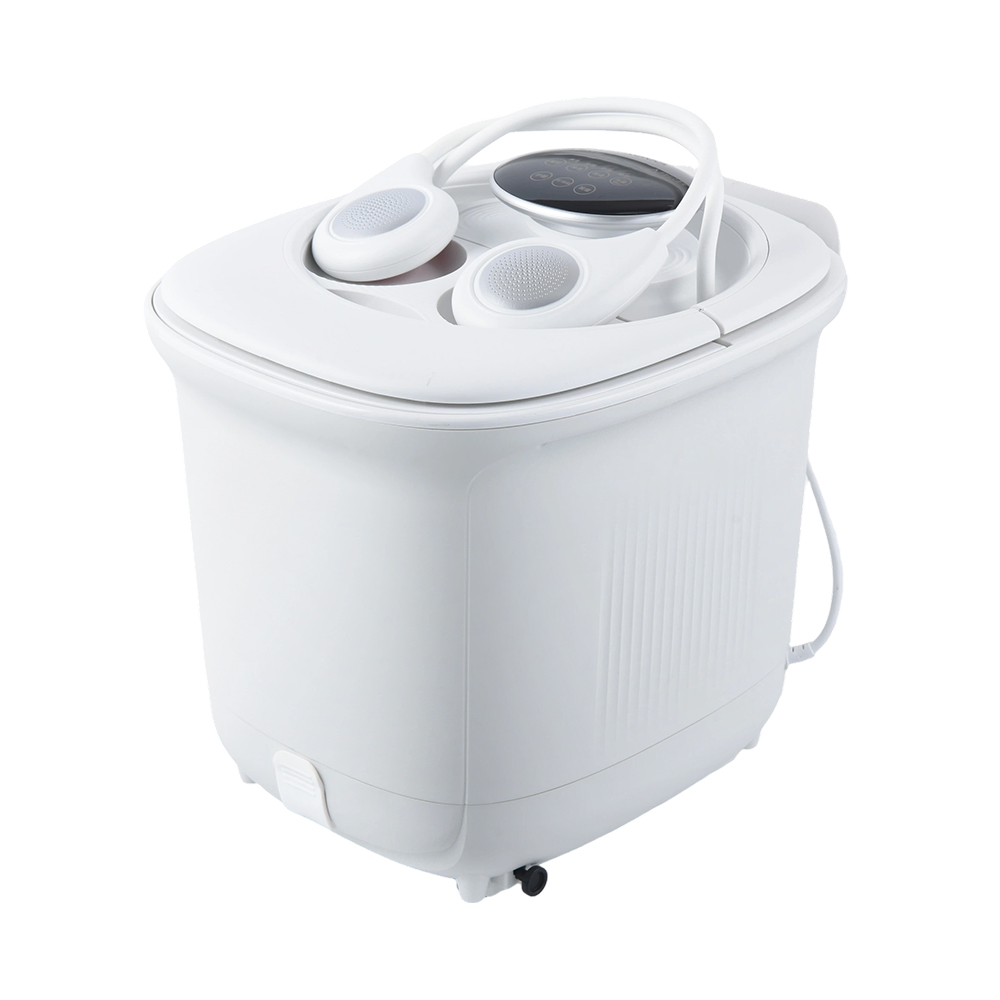
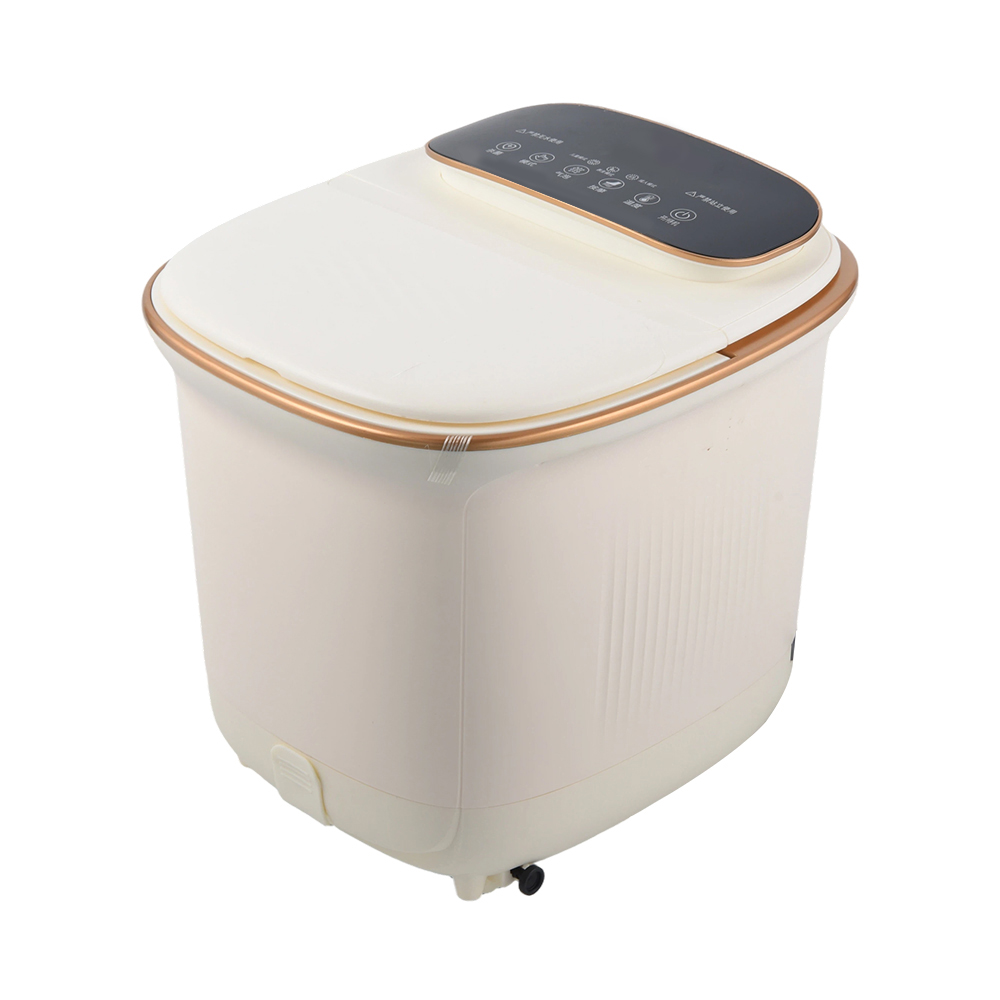
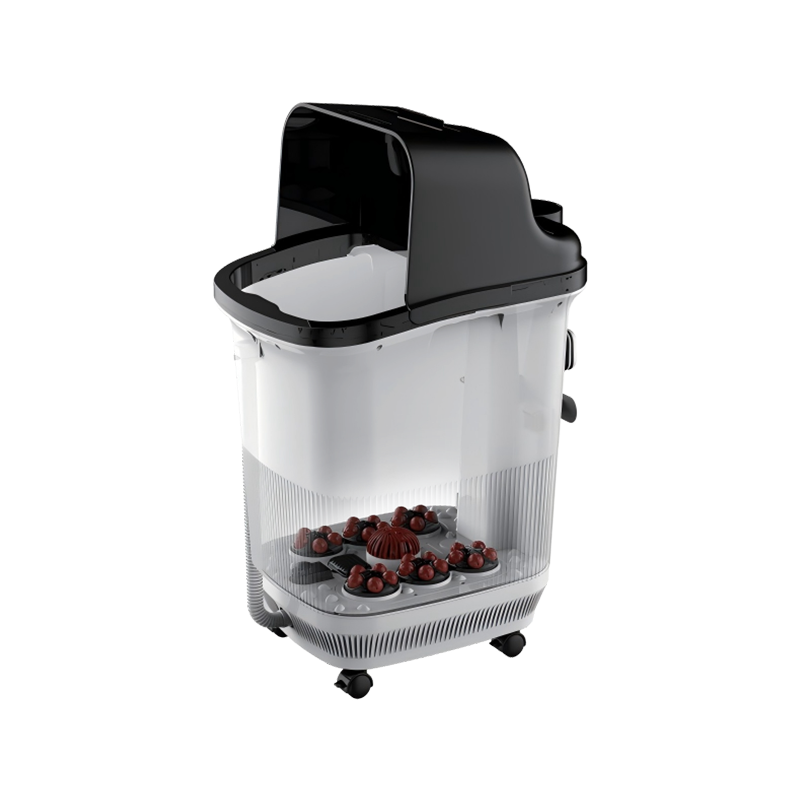
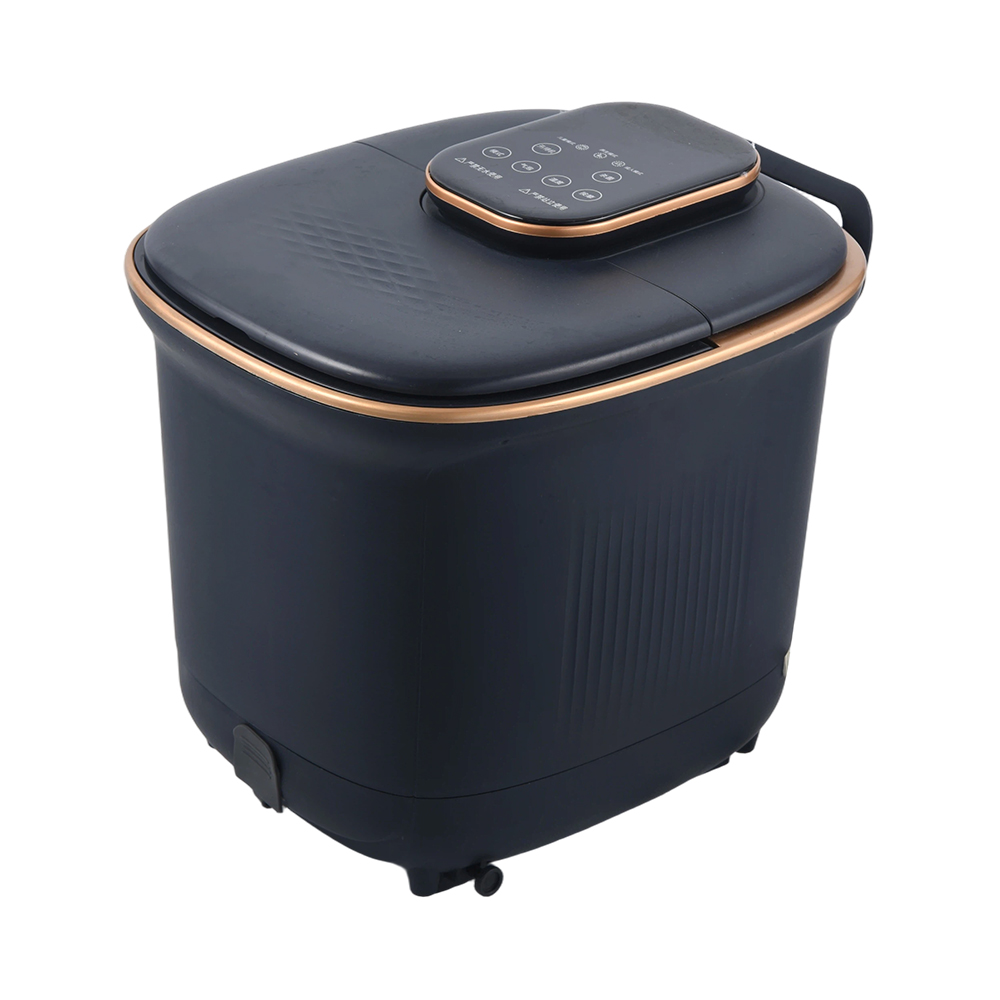
  • Personal care and wellness devices: foot spas, massagers and similar products used for relaxation at home.
  • Environmental and air-related devices: products that support a cleaner or more pleasant indoor space.
  • Comfort devices: items whose main job is to make a room or a routine feel easier, which is where Home Comfort Appliances sit.

Grouping products this way helps you see overlap. Two similar items in the same group compete for the same shelf space and the same customer question, while items from different groups usually support each other. A retailer that carries a foot spa and an air fryer is speaking to two different needs, relaxation and convenience, and rarely cannibalizes either one.

Why the segment keeps attracting private label programs

Small appliances are easy to understand at the point of sale, easy to ship compared with bulky goods, and easy to present as gifts. They also allow brand owners to adjust color, packaging, accessories and manuals without rebuilding an entire product. For a small appliance manufacturer with in-house engineering, that flexibility is where long-term cooperation usually begins: a standard model is adapted to a market, then refined after feedback.

Think in groups of routines rather than long product lists, because overlap inside a group is where range planning goes wrong.

Home Comfort Appliances: Where Daily Routines Meet Product Design

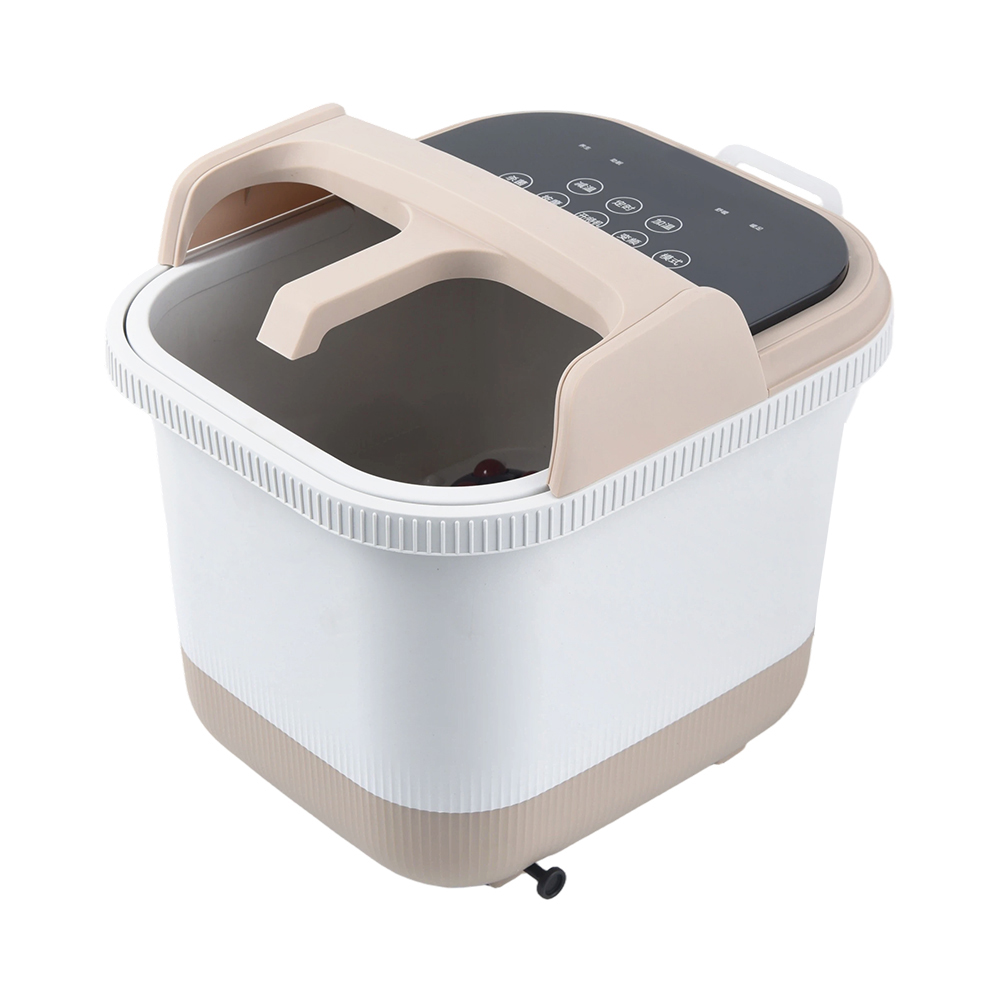
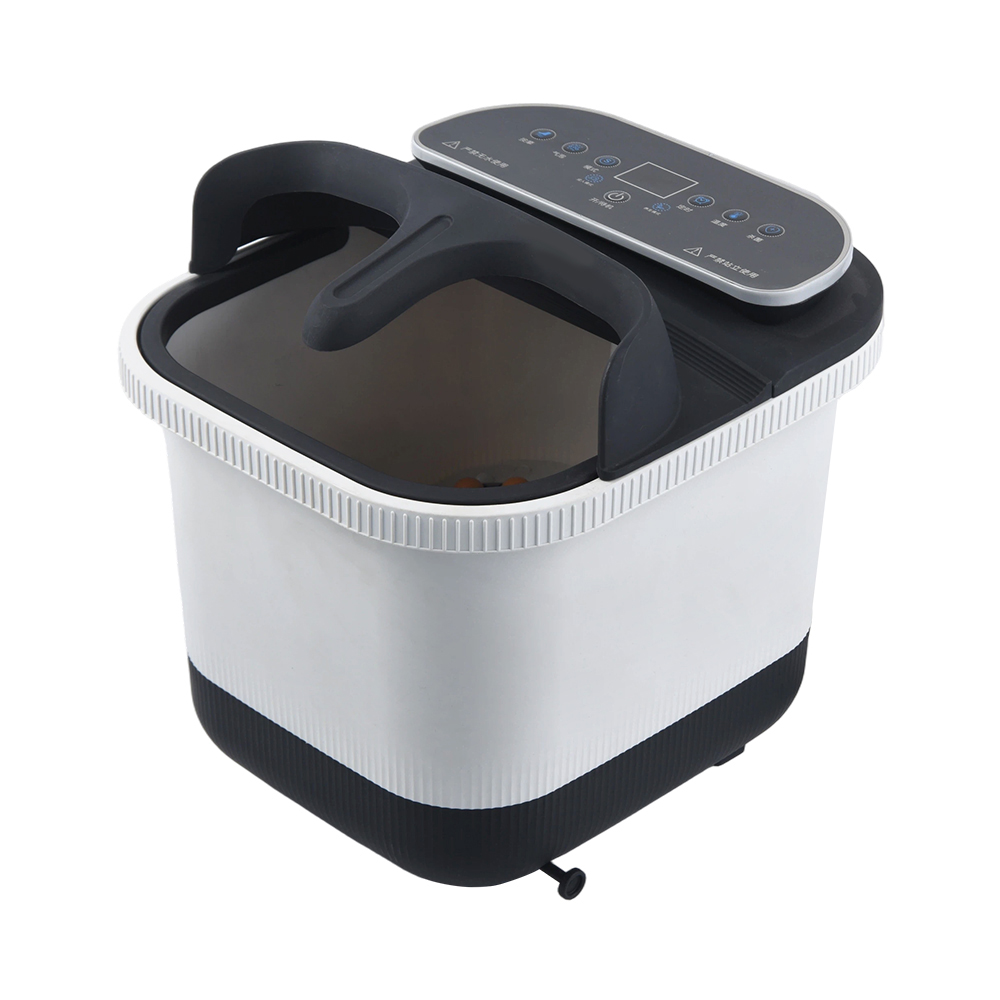
Home Comfort Appliances are devices that make everyday life feel easier or more pleasant without changing how a household is organized. A foot spa is a clear example: it asks for a basin of space, a power socket and twenty minutes, and it gives back a calmer end to the day. Because the purchase is emotional as much as practical, the details of design carry more weight than in a purely functional product.

Design details that buyers notice after the first week

Comfort products are judged by feel, and the details that shape feel are often small. Consider a few that repeatedly appear in customer feedback for this type of device:

  • Handle position and weight balance when the unit is full, since a basin that is awkward to lift becomes a basin that is left in a cupboard.
  • Noise level during operation, which decides whether the product can be used while watching television or talking with family.
  • Control layout, because buttons that are easy to find with wet hands reduce frustration and support requests.
  • Cleaning access, including how easily water, residue or oil can be removed from key surfaces.
  • Cord length and storage, which matter in small apartments where sockets are not always near the seating area.

A manufacturer that studies real usage scenarios, rather than copying a competitor shape, tends to catch these points early. When you review samples, ask the engineering team why a handle, a lid or a control panel was designed in a certain way. A clear, practical answer is usually a sign that the product was refined through use and not only through drawings.

Matching comfort products to market expectations

Expectations differ by market. Some buyers want a simple device with two or three modes and a short manual. Others want a richer feature set, with timers, temperature settings or accessory attachments. Neither approach is wrong, but mixing them in one range can confuse customers. Decide whether your brand stands for simplicity or for options, and then select Home Comfort Appliances that support that promise.

Comfort products succeed through small design details such as weight balance, noise, controls and ease of cleaning.

Electric Appliances For Home: Safety and Compliance Checkpoints Worth Verifying

Electric Appliances For Home combine electricity, heat or water, and often children or older adults in the same room. For that reason, safety review is not a final step but a thread that runs through the whole project. The practical rule is to ask for evidence at each stage and to confirm which market rules apply before samples are approved.

Requirements vary by destination, so this section stays at the level of questions to ask. Your local compliance consultant, testing laboratory or importer of record is the right source for exact standards in your country. What a buyer can control is the quality of the questions and the completeness of the paperwork requested from the supplier.

Area Question to ask the supplier Evidence to request
Electrical safety How is insulation and grounding verified on every unit? Production test procedure and sample test records
Heat and temperature What protects the user if a heating element or thermostat fails? Description of protection components and test results
Materials Which materials touch skin or food, and how are they controlled? Material declarations and supplier lists
Water resistance How are seals and enclosures checked for water-related use? Internal inspection records and design notes
Labeling and manuals Are warnings, voltage and plug types correct for the target market? Draft manual and label artwork for review
Traceability Can a finished unit be traced to a production batch? Batch coding method and record sample

A checklist of common safety and compliance questions for electric home appliance projects.

Reading the answers

Look for specific, consistent answers. A supplier who can explain how a thermostat is tested, how often a line inspector samples finished units and what happens when a unit fails is usually working from a real process. A supplier who answers every question with a general statement of quality, but cannot show a record, leaves you to carry the risk yourself.

It also helps to ask what the factory does when a customer requests a change after samples are approved. Responsible manufacturers will explain that a changed component may require a new round of testing. That answer may feel inconvenient, but it protects your brand from silent changes that alter product behavior.

Request records and test procedures, not only statements, and confirm the rules of your destination market early.

How to Judge a Small Appliance Manufacturer Beyond the Product Photos

Product photos tell you how an item looks. They say little about how consistently it can be made. When comparing a small appliance manufacturer or a home appliances supplier, experienced buyers shift attention from the catalog to the system behind it: how the factory selects parts, how engineers respond to feedback, and how reliably orders move from sample to shipment.

The chart below shows an illustrative weighting model that a sourcing team could use when scoring candidates. The weights are a planning example, not a survey result, and you should adjust them to your own priorities. A brand with strong in-house testing might place less weight on documentation, while a new importer might place more.

Illustrative supplier evaluation weights (percent of total score) Quality management and testing 22 Safety documents and traceability 20 Engineering and R&D support 18 Production capacity and stability 16 Communication and delivery reliability 14 Packaging and after-sales support 10

This model puts quality management and safety documentation at the top because both are difficult to repair after production begins. Engineering support follows closely, which is relevant for companies such as Ningbo Guanyi that continue to refine product structure and performance based on real-world usage scenarios. Capacity and communication matter, but they work best when the first three areas are already sound.

The chart also shows that packaging and after-sales support carry the smallest weight in this example, not because they are unimportant but because they are easier to adjust during cooperation. If your brand sells mainly through online marketplaces, you may raise the packaging weight, since drop-test performance and unboxing quality shape reviews. Treat the chart as a conversation tool for your team, and agree on the weights before you open any supplier folders.

Questions that reveal how a factory works

  1. Which parts are made in-house and which are sourced from outside partners?
  2. How are incoming components checked before they reach the assembly line?
  3. What percentage of finished units go through full functional testing, and what is checked?
  4. How do engineers collect and apply feedback from customers after launch?
  5. Which product families does the factory produce regularly, and which would be new for it?

Score suppliers on process, not on photos, and set the scoring weights before comparing candidates.

Building a Home Appliances Line Without Overlap or Gaps

Once you have a shortlist of Home Appliances suppliers, the next task is to decide how many products to carry and how they relate to each other. A common mistake is to treat every attractive sample as a candidate, which results in a crowded range with unclear roles. A better approach is to assign each product a job: entry item, core item, gift item or seasonal item.

The chart below shows an illustrative split that a mid-sized brand might use when it plans an initial small appliance program across four families. It is a planning example, not a market figure, and the right split depends on your channel, climate and customer base.

Illustrative first-order product family split Sample program mix Personal care and wellness: 30% Kitchen small appliances: 28% Environmental and home care: 24% Accessories and seasonal items: 18%

The largest share in this example goes to personal care and wellness, which reflects how products such as foot spas can anchor a Home Comfort Appliances range. Kitchen devices such as air fryers take a similar share because they fit into a different daily routine and attract a different buyer mindset. Together, the two groups give a brand a balance between relaxation and convenience.

Environmental and home care devices take a smaller share in this sketch, since they often serve narrower needs and benefit from clearer messaging. Accessories and seasonal items keep the smallest portion because they are easier to add once the main range is proven. This is where a manufacturer with a broad product base, spanning foot spas, air fryers, environmental appliances and personal care products, can help you scale without changing partners.

Assigning roles to products

  • Entry item: a simple, easy-to-explain product that introduces customers to your brand.
  • Core item: the model you expect to reorder regularly and support with stable inventory.
  • Gift item: a product with presentation value, where packaging and accessories deserve extra attention.
  • Seasonal item: a product tied to weather, holidays or promotions, ordered with a shorter planning window.

Give every product a clear role in the range, and let a multi-category manufacturer help you scale in steps.

Quality Control for Electric Appliances For Home: Where Risk Concentrates

Quality problems do not appear evenly across the production process. Some stages carry more risk for safety, others for function, appearance or paperwork. Knowing where to focus your attention allows you to ask better questions during factory communication and to plan inspections that actually reduce risk.

The heat map below is an illustrative guide to how focus can shift across five stages of a typical small appliance project. Darker cells indicate where many buyers place more checking effort, while lighter cells indicate areas that usually need less. It is a planning aid and should be adapted to your product type.

Illustrative inspection focus by production stage Electrical safety Function Appearance Documents Incoming parts Assembly Electrical testing Packaging Pre-shipment check High Medium Low Medium Medium High Medium Low High High Low Medium Low Low High High Medium Medium High High

Electrical safety concentrates around incoming parts and electrical testing, because a faulty component or a missed test cannot be corrected by good packaging later. Function checks cluster at assembly and testing, where a unit is first powered and observed under realistic conditions. For a heated or water-related device such as a foot spa, this is the stage where leak behavior, temperature response and motor performance are confirmed.

Appearance and documents move to the foreground near the end of the process. Scratches, misaligned labels, missing accessories and incorrect manuals are common causes of returns that have nothing to do with core performance. A manufacturer with structured production and management systems, like the one described later in this article, is better placed to keep these final checks consistent across batches.

For your own program, use the heat map as a starting template for an inspection plan. Mark the cells where your product category has had trouble before, then ask your supplier how those stages are handled. If a stage cannot be described clearly, it is worth scheduling a third-party inspection or a video review of that step.

Concentrate checking effort on incoming parts and electrical testing for safety, and on packaging and documents for returns.

Planning Orders With a Home Appliances Supplier or Wholesaler

Order planning is where good intentions often meet calendar reality. A brand that wants stock before a seasonal peak needs to work backward from the delivery date through shipping, packing, production and sample approval. Starting that work late forces compromises, and compromises in electrical products usually show up as quality issues.

The line chart below shows an illustrative path from the first brief to shipment readiness for a customized small appliance project over twelve weeks. Real schedules vary by product, quantity and the number of revision rounds, so use the shape of the curve rather than the exact numbers.

Illustrative project readiness over twelve weeks (percent) 0 50 100 Week 0 Week 2 Week 4 Week 6 Week 8 Week 10 Week 12 Brief agreed Sample built Sample approved Parts and packaging Pilot run Mass production Shipment ready

The curve rises steadily during the first six weeks, when most of the decisions are made: product specification, sample building and approval, and the purchase of parts and packaging. This is the period in which a clear brief saves the most time, and it is also where a manufacturer with engineering depth can contribute by suggesting practical adjustments.

Progress between weeks six and ten is shaped by the pilot run, which tests whether the line can repeat the approved sample at volume. Skipping or shortening this stage is tempting when deadlines are close, yet it is the stage that reveals assembly problems before they reach thousands of units. Buyers who review pilot-run results with the factory usually enter mass production with fewer surprises.

The final weeks cover mass production, final inspection and loading. Leaving room in this part of the plan for a delayed component or a rework batch is a sensible habit, especially for seasonal items. If you work with a home appliances wholesaler or distributor, share this timeline with them so promotional dates and inventory commitments reflect real production steps.

Information to send with your first inquiry

  • Target market, voltage and plug type.
  • Expected order quantity for the first shipment and the likely reorder pattern.
  • Whether you need standard models, private label changes or a more customized design.
  • Packaging expectations, such as gift boxes, retail boxes or shipping cartons for e-commerce.
  • Required documents, such as manuals in specific languages and test reports for your market.

Work backward from your delivery date and protect the pilot run, because it is the stage that exposes problems before volume is committed.

Customization, Private Label and Packaging for Small Appliance Brands

Many brands start with a standard model and then request changes. The most practical changes are usually the least expensive in engineering terms: color, logo placement, packaging design, accessory sets and manual language. Deeper changes, such as a new housing shape or a different heating structure, require tooling and more testing, so they belong in a later phase once the first range has proven itself.

Levels of customization

Level Typical changes What to plan for
Brand level Logo, color, packaging, manual Artwork review and label compliance for your market
Feature level Accessories, modes, control panel text Additional sample round and functional retesting
Structure level Housing shape, internal layout, components Engineering discussion, new tooling and a fuller test cycle

Three common levels of customization for small appliance projects and what each involves.

Packaging deserves engineering attention

Packaging is often treated as a design task alone, yet in the Home Appliances category it is also a protection task. A unit that contains a motor, a heating element or a water basin must survive transport without internal damage. Ask your supplier how cartons are tested, how foam or paper inserts hold the product, and how accessories are separated so that nothing scratches the surface.

For e-commerce programs, carton size has a direct effect on parcel handling and storage. A box that is a few centimeters smaller can change how many units fit in a shipping container, so it is worth discussing early. For retail programs, shelf presentation, barcode placement and language panels are the points to verify before print files are finalized.

Instruction manuals deserve the same care. Clear diagrams, correct warnings and consistent terminology reduce misuse and support questions. If you sell in several countries, ask the supplier whether manuals can be prepared in multiple languages from a single template, and have a native reader check the final text.

Start with brand-level customization, keep structural changes for later, and treat packaging as part of product protection.

Common Mistakes When Sourcing Home Comfort Appliances

Experienced buyers tend to repeat the same cautions because the same mistakes keep appearing. The following list covers the issues that most often cause delays or disappointment in small appliance programs.

Mistakes at the selection stage

  • Choosing a supplier from images alone, without asking for process information or sample test records.
  • Selecting too many models at once, which spreads attention and makes problems harder to trace.
  • Ignoring how the product will be used by an ordinary customer, such as filling, carrying and cleaning.

Mistakes at the approval stage

  • Approving a sample without testing it for a realistic period, such as several days of normal use.
  • Allowing component changes after approval without a written record and retesting.
  • Leaving manuals, labels and plugs to the end of the project instead of reviewing them alongside the product.

Mistakes at the order stage

  • Setting a delivery date without leaving room for a pilot run and final inspection.
  • Failing to agree on how defects will be defined and handled before production begins.
  • Treating the first order as a one-time purchase, which misses the chance to build a working relationship and to improve the product through feedback.

None of these mistakes is dramatic on its own. Together, they explain why some buyers feel that every project is a struggle while others find that cooperation becomes smoother with each order. The difference is usually discipline in the early stages and a willingness to communicate openly with the factory about expectations.

Most sourcing problems come from rushed approval and unclear agreements, and both can be prevented with a simple written plan.

Ningbo Guanyi Electrical Technology Co.,Ltd.: From Cixi to the World

A Trusted Partner for Global Wellness Appliances

Ningbo Guanyi Electrical Technology Co.,Ltd. specializes in the R&D and manufacturing of small home appliances, continuously refining product structure and performance based on real-world usage scenarios. From foot spas to air fryers, from environmental appliances to personal care and wellness products, the company delivers reliable solutions to global customers through stable manufacturing capabilities and ongoing technical expertise.

From Product Optimization to Structured Product Line Development

In 2017, the company entered a key development phase. Faced with evolving industry trends and shifting market demands, it adopted a quality-first strategy. By optimizing product structures and manufacturing workflows, it built its initial product portfolio and production base.

By 2025, the company had established robust systems for R&D, production and management, backed by a skilled talent pool and expanding production capacity. Thanks to consistent product quality and reliable service, it has grown a solid base of long-term partners, stepping into sustained growth. This marks its transition from individual product improvement to fully structured product line development.

What this means for buyers

For importers, brand owners and distributors, the relevance of this background lies in how it connects to the checklist in this article. A manufacturer that works across foot spas, air fryers, environmental appliances and personal care products already serves several of the routine-based groups described earlier. A quality-first approach and structured systems for R&D, production and management correspond to the process evidence that careful buyers request: test records, controlled workflows and clear communication.

Teams that are building or expanding a Small Appliance range can discuss their market, target customer and preferred product families with the company, and then review samples against their own scoring model. This kind of open, evidence-based conversation is a practical way to find out whether a manufacturer is a good fit for your brand.

Ningbo Guanyi combines multi-category small appliance manufacturing with a quality-first, structured approach to product lines.

Small Appliance and Home Appliances FAQ

Q1: How should I start building a Small Appliance range for my brand?

Start with two or three household routines your customers already have, such as relaxing in the evening or cooking quickly on weekdays. Choose a small number of products that support those routines, ask a manufacturer for samples and test records, and begin with a focused first order. This keeps quality easy to monitor and gives you real sales feedback before you expand.

Q2: What are Home Comfort Appliances, and who buys them?

Home Comfort Appliances are devices that make daily life at home easier or more relaxing, such as foot spas and other personal wellness products. Buyers include individual households, gift shoppers, retailers, online sellers and hospitality businesses. Because these products are linked to how people feel, design details like noise, handling and cleaning access matter a great deal.

Q3: What should I check when choosing a supplier of Electric Appliances For Home?

Check how the factory tests electrical safety, how it controls incoming parts, how it labels and documents each batch, and whether it can explain its process with records. Confirm the safety and labeling rules of your destination market with a local expert before approving samples. Clear, consistent answers are usually a better sign than general statements about quality.

Q4: Can a small appliance manufacturer support private label or customized orders?

Many manufacturers support brand-level changes such as logo, color, packaging and manuals, and some can discuss feature or structural adjustments after reviewing your needs. Share your target market, expected quantity and product expectations in the first inquiry. The factory can then explain which changes are practical, what additional testing may be needed and how they affect the schedule.


Contact Us

Your email address will not be published. Required fields are marked *